Welcome to the B-SMART Lab in the Department of Clinical Psychology at the University of Nebraska-Lincoln
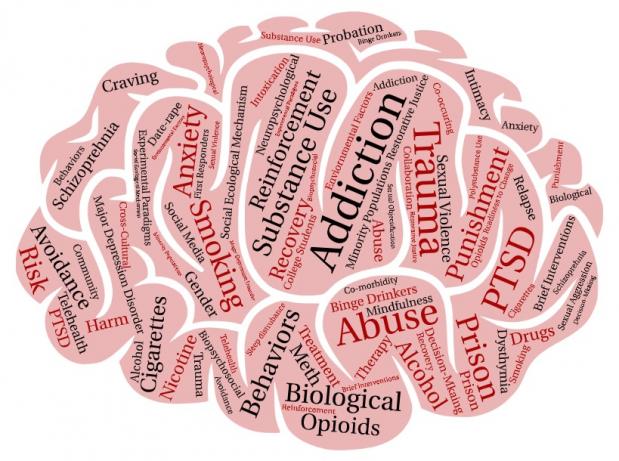
Broadly, Dennis McChargue, Ph.D., and the Biobehavioral Substance Mechanisms and Related Treatments (B-SMART) lab members are interested in the psychological and biological mechanisms of substance use behaviors in a variety of populations. Additionally, the lab is passionate about examining the applications of findings within various treatment delivery options. Lab members often examine this broad area with focuses on associated risks and negative outcomes of substance use, such as comorbid diagnoses, traumatic brain injury, sexual assault, violence & aggression, impulsivity, emotion regulation, recidivism, and other health related domains.
Please see the following links to learn more about the lab, as well as publications by Dr. McChargue and lab members:
"It's not a lab, it's a lifestyle..." - Patrick
Google Scholar PubMed
Our Research & Team Objectives
Our overarching goal is to collect and analyze research that examines the development, outcomes, treatment and recovery of alcohol and substance use disorders in various populations. We study the causal and risk factors through multi-method and multi-level approaches. We seek to inform prevention, intervention, and treatment approaches to improve the well-being of the individuals, communities, families, and populations that are impacted by substance use.
click here to learn more about our lab
~ COMMITMENT TO DIVERSITY, EQUITY, & INCLUSION ~
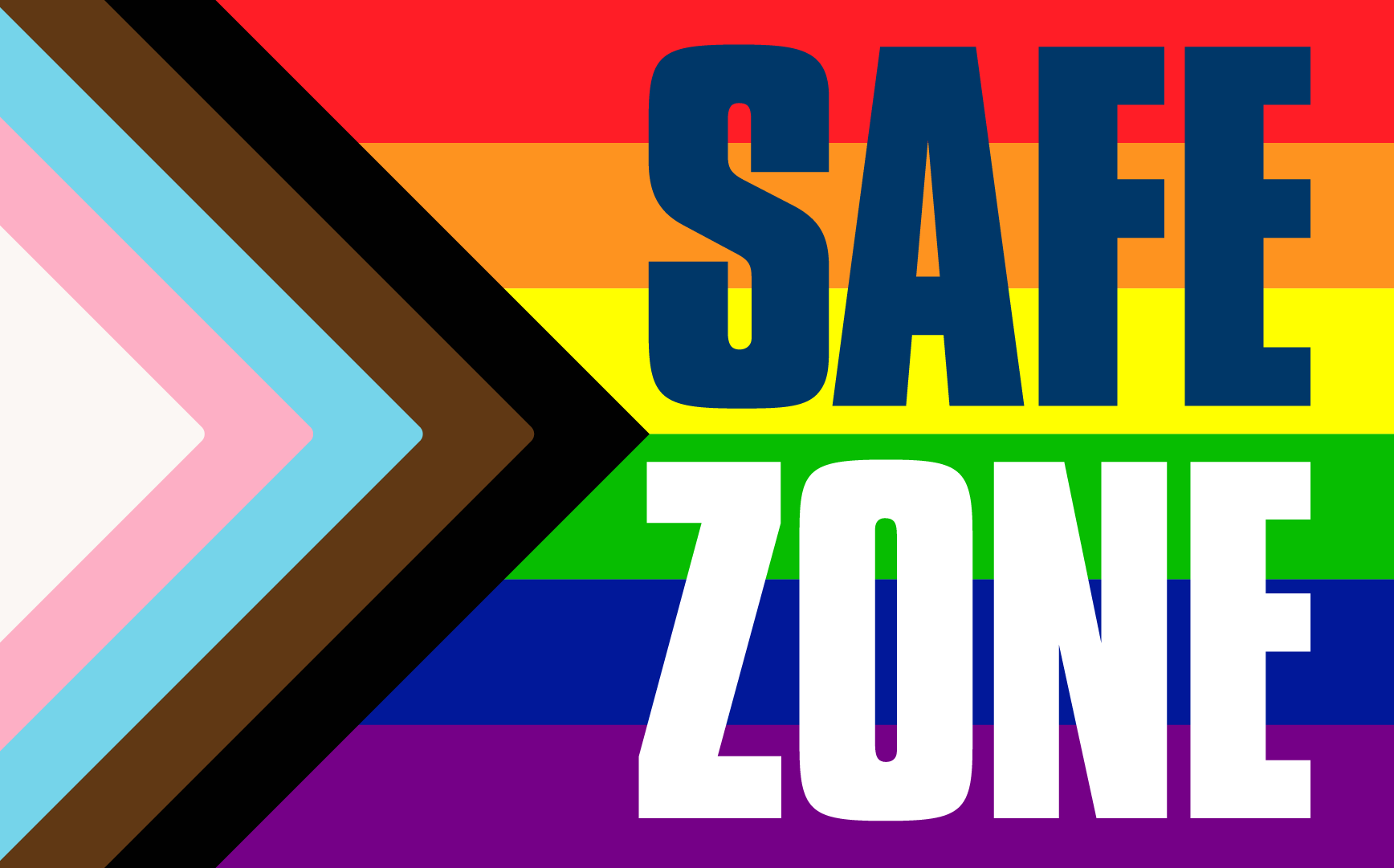
We are committed to providing a safe and inclusive environment in our lab, within our collaborations, our academic environment, and the world at large. We believe that more diversity in the field of psychology, academia, and healthcare is necessary to improve our science, treatment, and recovery. We are invested in broadening representation, engaging in cultural humility, and seeking out ways to correct historical inequities. |
|
Recent News
| 06.30.23 | Congrats to Alexa for presenting at the 2023 International Association of Forensic Mental Health Services in Australia. See the posters & pictures from her trip with our lab director & PI, Dr. Dennis McChargue & our collaborator at the CJC, Jim Jones! |
| 06.09.23 | Congrats to Patrick for presenting at the 2023 Central IDeA States Regional Meeting in Kansas City, MS. See the poster HERE, or check our our lab updates for more! |
| 05.12.23 | Congratulations to Kailey for securing her top-ranked internship placement at the Salt Lake VA Healthcare System! Although we'll miss her, we're excited to see her embark on this new journey and wish her all the best. We look forward to witnessing her future accomplishments! |
| 05.02.23 | Congratulations to Becky Wolfe for her outstanding contribution to mentorship! She was recognized by the department and won an award for Graduate Student Excellence in Mentoring! Way to go, Becky, and congrats to all who won! See the posting HERE |
| 04.17.23 |
Our lab member was featured in the NEWS....we are so proud. Way to go, Becky! https://nebraskanewsservice.net/campus/biopsychosocialpartone/ |
| 08.10.23: | Congratulations to 2nd year clinical student, Alexa Barrett for being commissioned as an officer in the U.S. Navy |
| 07.10.22: | Congrats to Becky Wolfe on her publication to Behavioral Sciences from her biopsychosocial study data! Take a look: pdf |