Content
Be part of our history!
You can help the department have a long and impressive future. Financial gifts from alumni and friends are a vital source of support for the psychology department.
Here's what a contribution of $125 can do:
- 5 undergraduate students’ conference presentation posters
- 2 graduate students’ professional membership dues
- statistical software license used to analyze theses and dissertation data
- student conference registration
We appreciate the many alumni and friends who have supported us. Your private gifts are vital to keeping our department on the cutting edge and creating academic, leadership and research opportunities for students and faculty.
Help students achieve the way you have.
It's easy to give through the University of Nebraska Foundation.
- 100% of your gift goes to the university
- Give with confidence, your gift is secure
- We are committed to protecting your privacy
Honoring Dave Hansen's Legacy by Supporting Tomorrow's Leaders
For more than three decades, David Hansen has helped shape Nebraska Psychology through his extraordinary leadership, mentorship, and commitment to service. As we celebrate his retirement, we're inviting alumni, colleagues, students, and friends of the department to help carry that legacy forward.
The “I ❤️ DJH: Honoring Dave Hansen's Legacy of Leadership and Service” campaign, established through the University of Nebraska Foundation, will support leadership and service opportunities for students, faculty, and the broader department community. So far, dozens of alum, students, faculty, staff, and community partners have contributed.
Investing in the Next Generation
One exciting example of student leadership comes from Graduate Student Association (GSA), whose presidents are organizing a writing retreat for psychology graduate students. The retreat will provide dedicated time and space for students to advance their research and writing, connect with colleagues, and support one another's professional development.
This student-led initiative reflects the kind of leadership, collaboration, and commitment to others that Dave has modeled throughout his career.
Creating Opportunities for Leadership and Service
The campaign will support a broad range of activities that strengthen leadership and service throughout Nebraska Psychology, including professional development, workshops and visiting speakers, conference travel, recognition of exceptional leadership and service, and leadership mentoring and training.
These opportunities will help students and faculty develop the skills, relationships, and experiences needed to make a difference in their professions and communities.
Continuing Dave's Legacy
Throughout his career, Dave has demonstrated that leadership is not simply about individual accomplishments. It's about investing in others, creating opportunities, and building a community where people can thrive. By supporting this campaign, you can help extend that commitment to future generations of Nebraska Psychology students and faculty.
Please join us in honoring Dave's extraordinary contributions and supporting the next generation of leaders!
Psychology at Nebraska has been going strong for over 120 years since it was first taught in 1889 by Harry K. Wolfe.
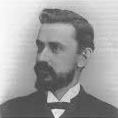
A Nebraskan since age 13, Wolfe graduated from the University of Nebraska in 1880 and went on to study psychology in Germany with Hermann Ebbinghaus and Wilhelm Wundt— two pioneers in the new "experimental psychology." He completed his doctorate from Wundt in 1886 at the University of Leipzig.
He returned to the University of Nebraska in 1889 as chair of the Department of Philosophy, teaching courses in general psychology, pedagogical psychology, and experimental psychology with a laboratory.
Wolfe established one of the earliest psychological laboratories in the United States—the first devoted to the training of undergraduate students.
The Department of Psychology was established later, in 1939, yet we consider Wolfe the department’s founder.